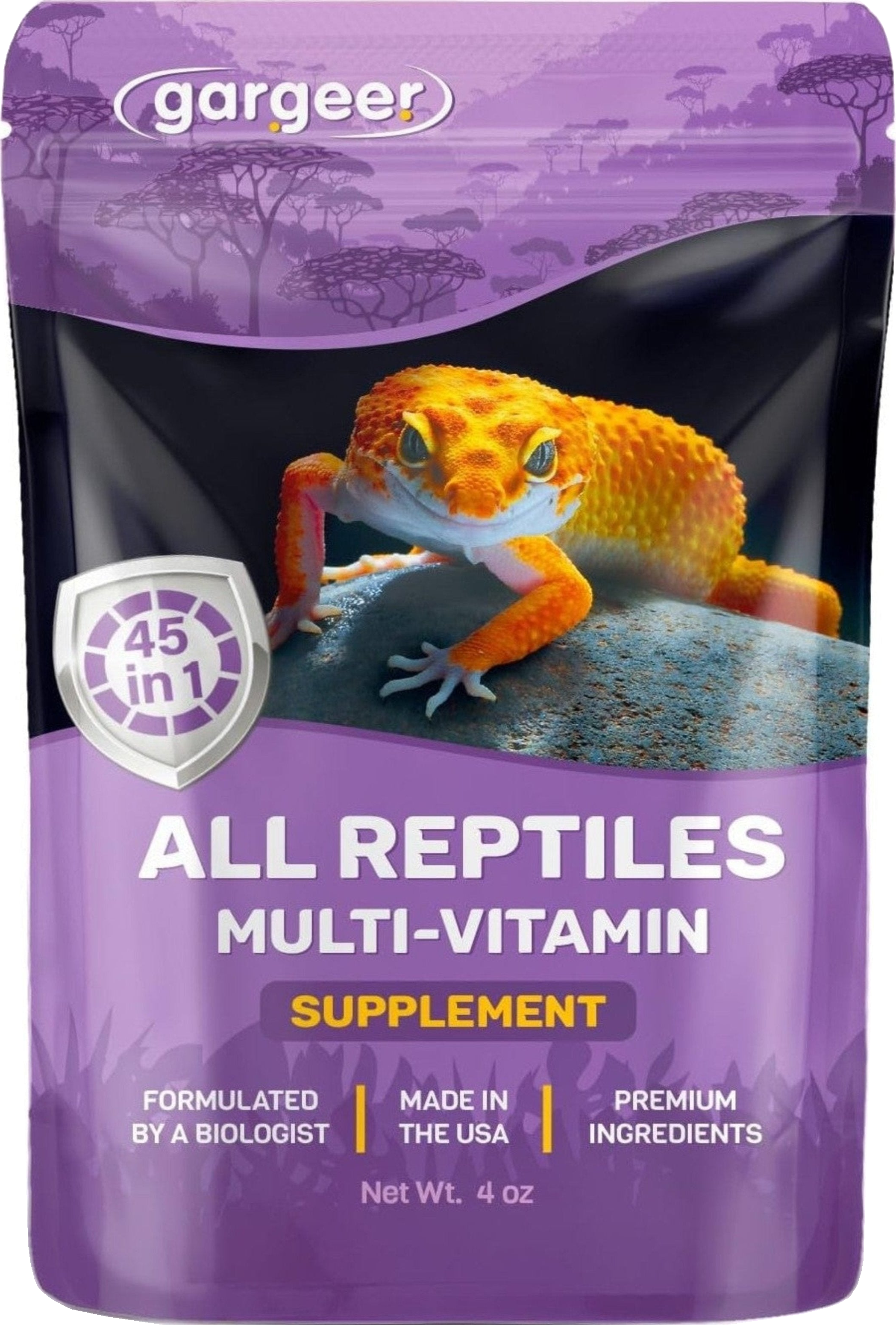
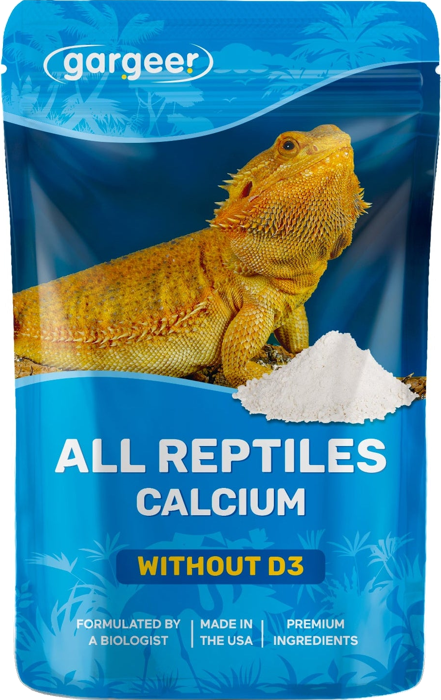
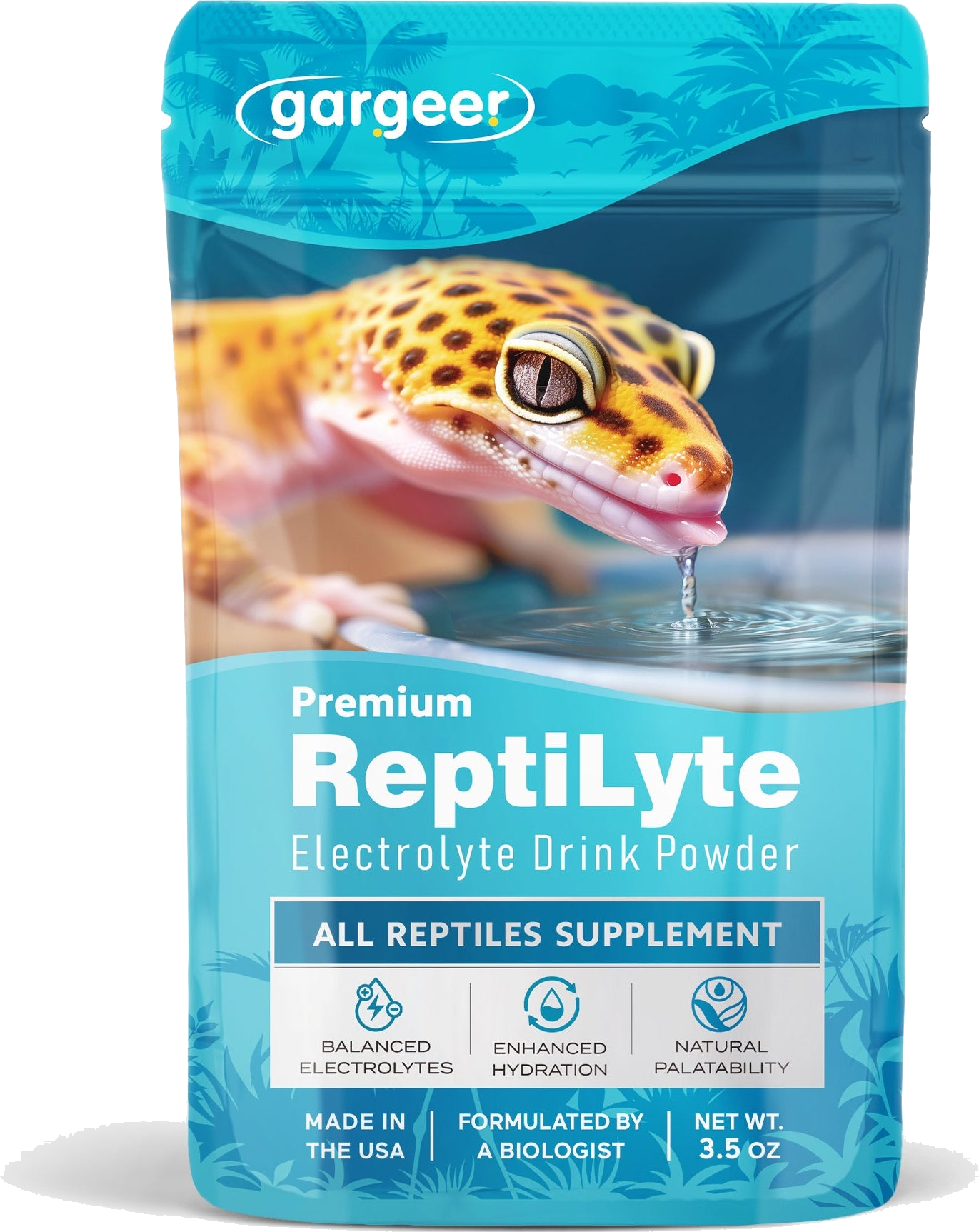
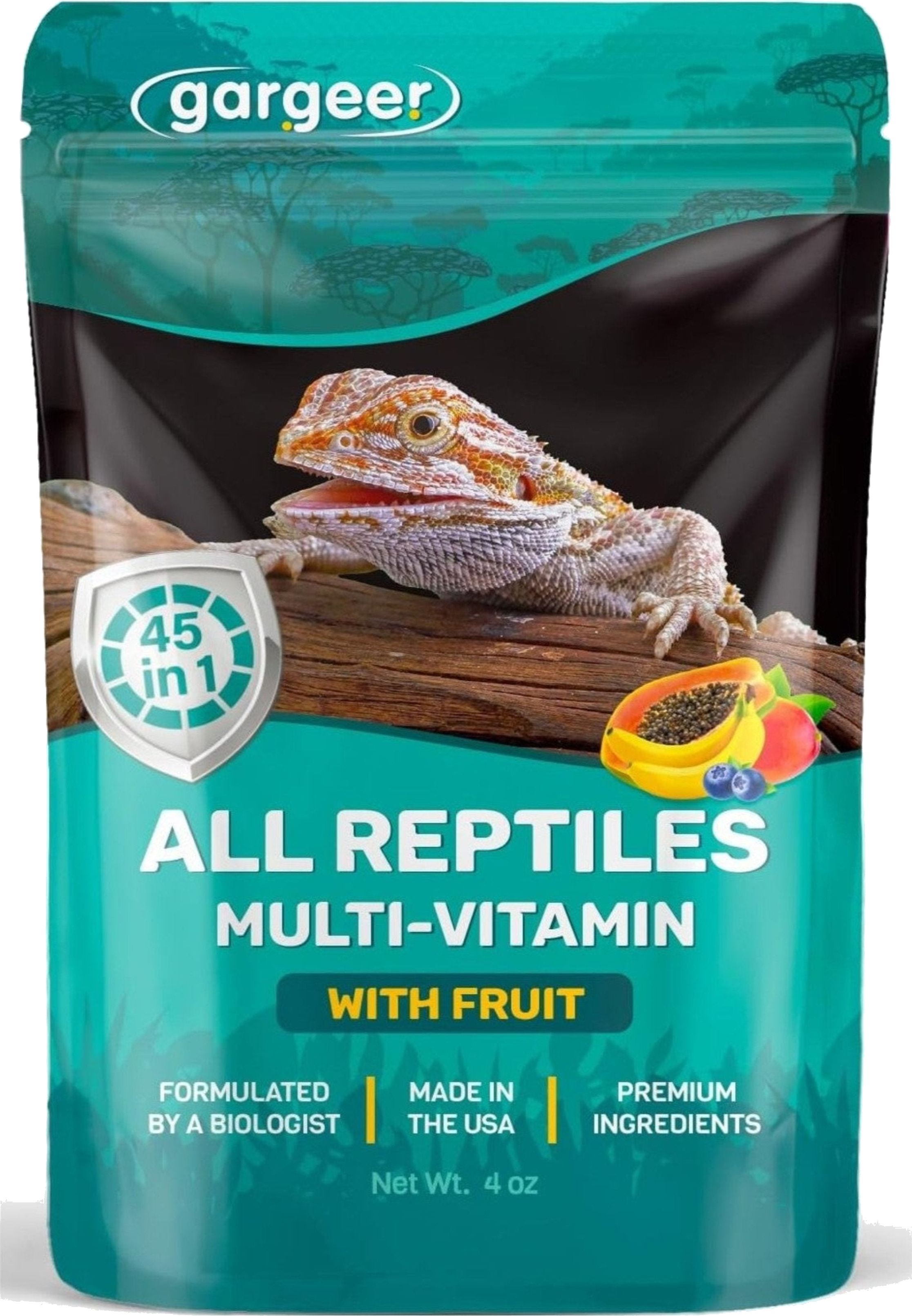
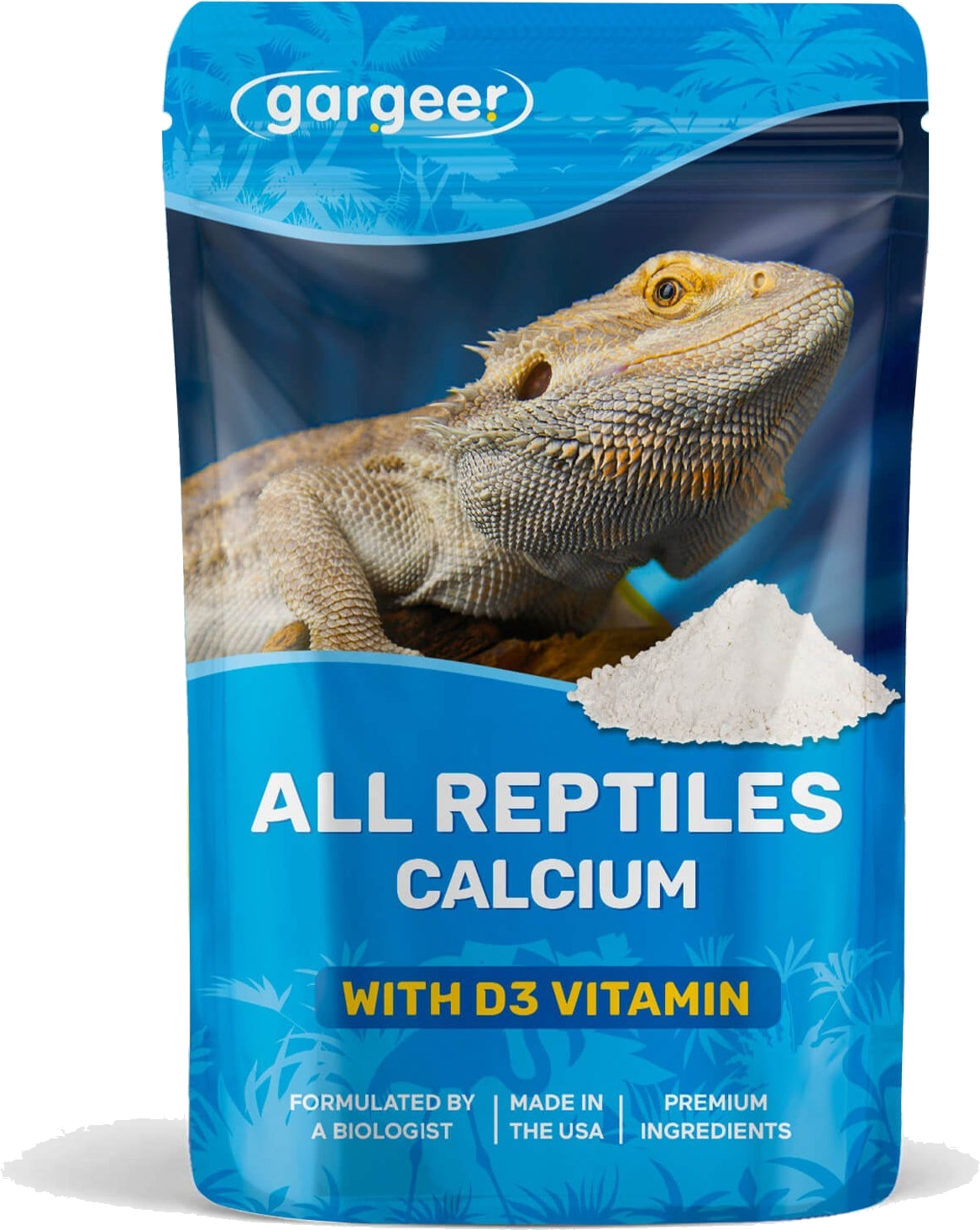
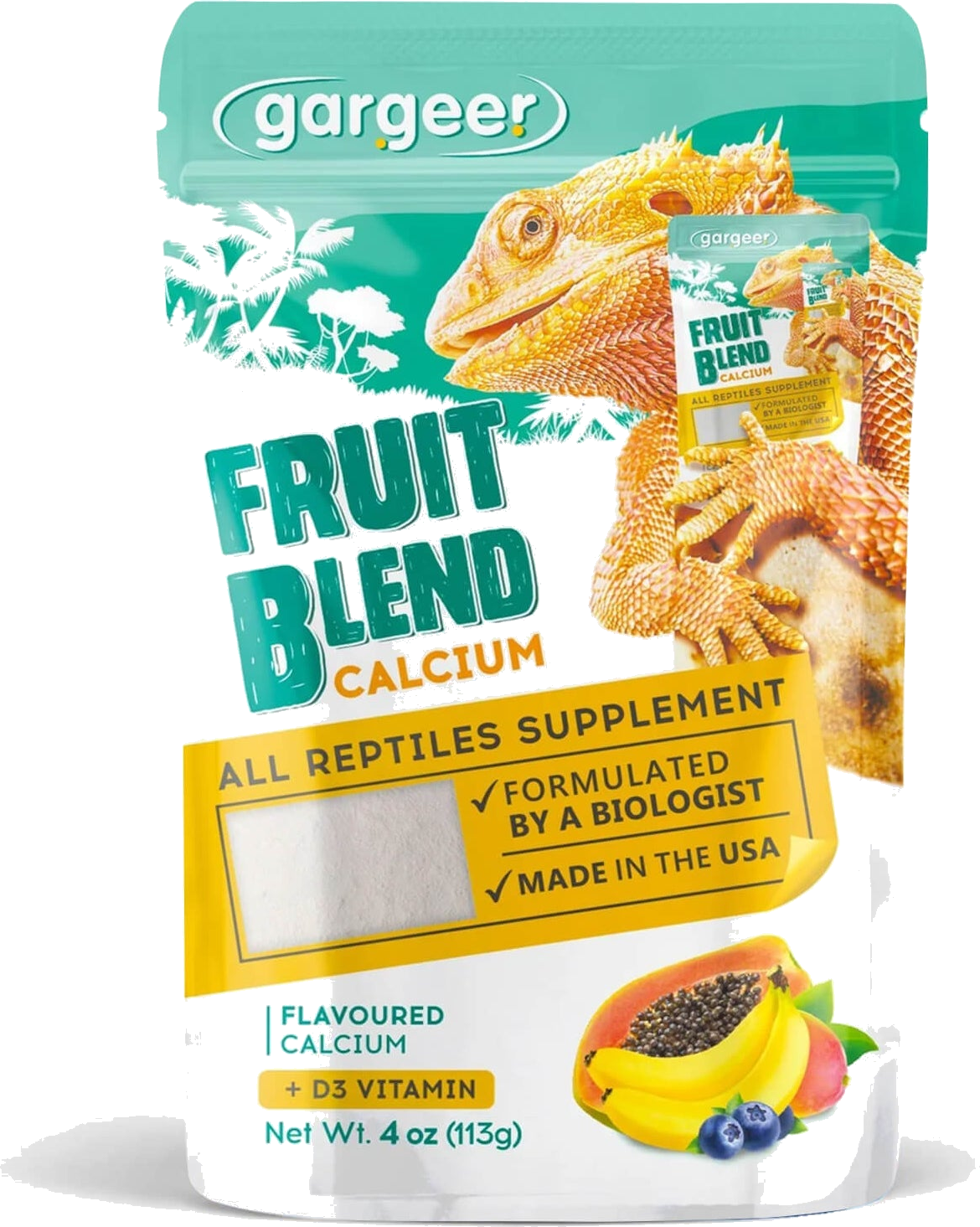
Most captive reptiles need calcium, and many benefit from a multivitamin to fill gaps in feeder insects or greens. D3 needs depend on UVB lighting. Extras like probiotics, bee pollen or vitamin A are targeted tools. A reptile on a complete, fortified diet may need little or nothing extra, so check the food first and ask a reptile vet.
A healthy-looking reptile
Support normal skin, shedding and body condition through appropriate nutrition.
More everyday vitality
Nutrients for normal activity, growth and maintenance, plus natural aroma for feeding interest.
Health from the inside
Vitamins, minerals and amino acids to complement a species-appropriate diet.
Shop by your reptile
Supplements by Species: Bearded Dragon, Leopard Gecko, Crested Gecko, Tortoise
A bundle built for your reptile, picked from our species collections. Each bundle includes one of every listed product.
For grassland species (sulcata, Russian, Hermann's, Greek): a salad topper, a tortoise-specific multivitamin with minerals and a gut-support probiotic.
Good for: keepers caring for a variety of reptiles
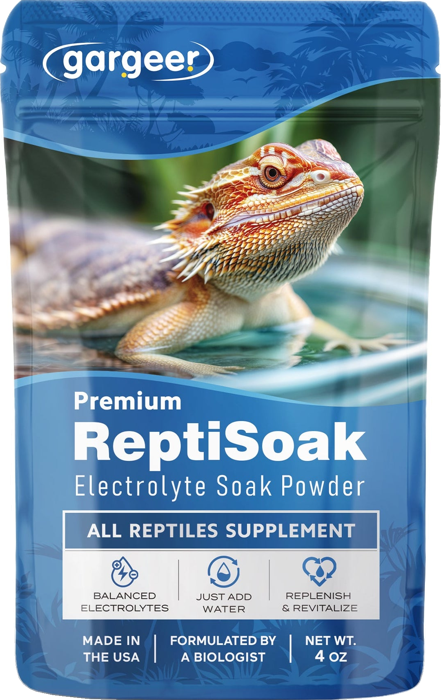
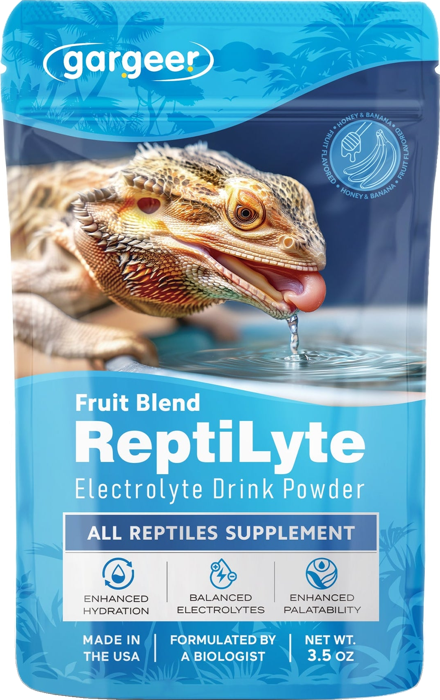
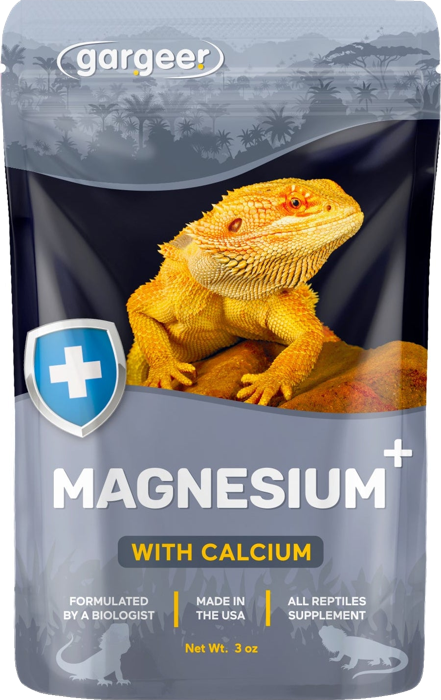
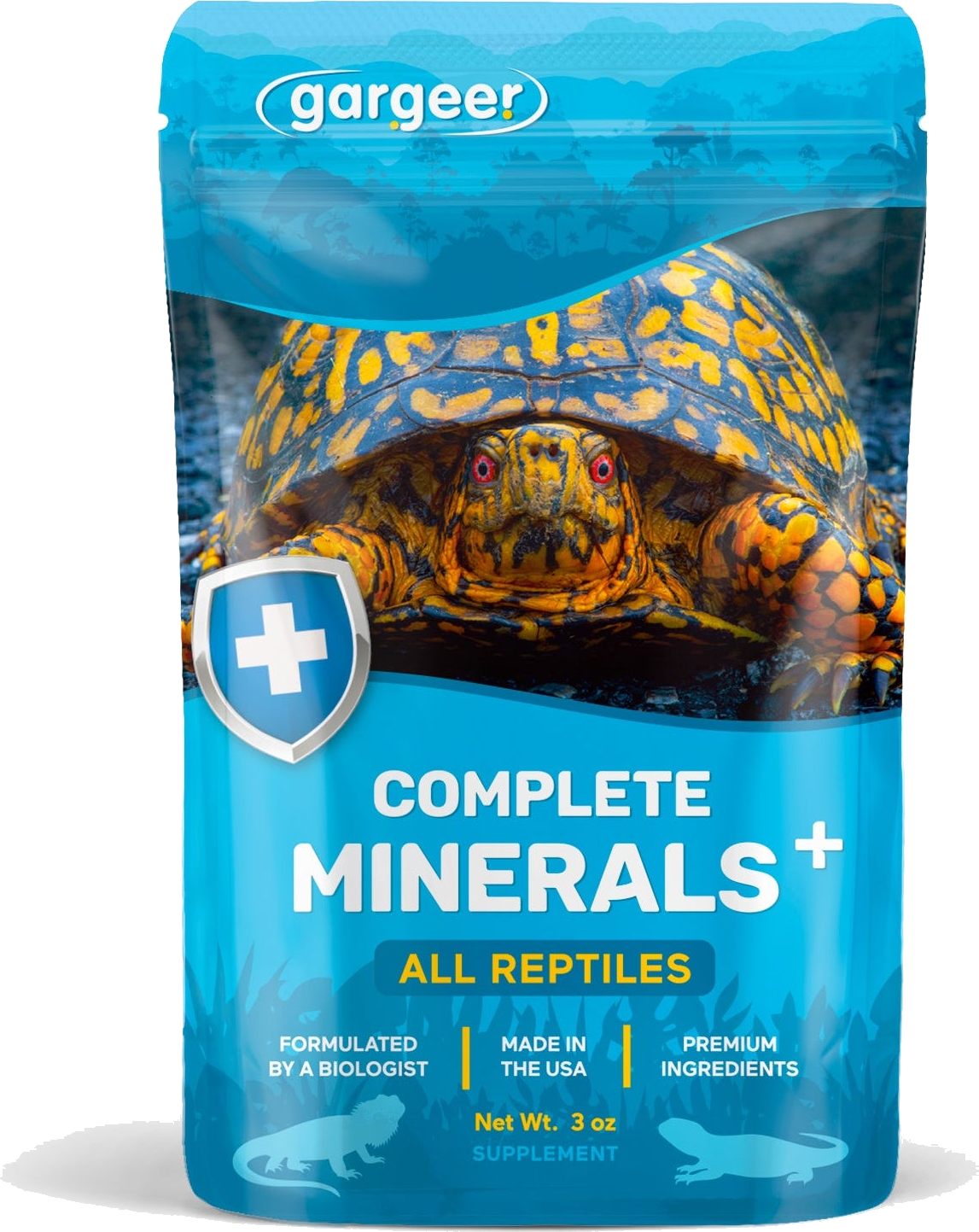
All 15 general reptile supplements, including both multivitamin and electrolyte drink options, calcium varieties, minerals and soak care. A selection for different routines, not for use all together.
All general reptile supplements. Different options, not combined doses.
More products do not mean more doses. Vitamin A, calcium, D3 and other nutrients can overlap. Do not combine Vitamin A Plus with other vitamin A supplements. Keep soak and drink preparations separate, and follow each product's directions with species-specific veterinary guidance. Final prices and discounts are shown at checkout.
Adam Wickens approved
Meet the trio
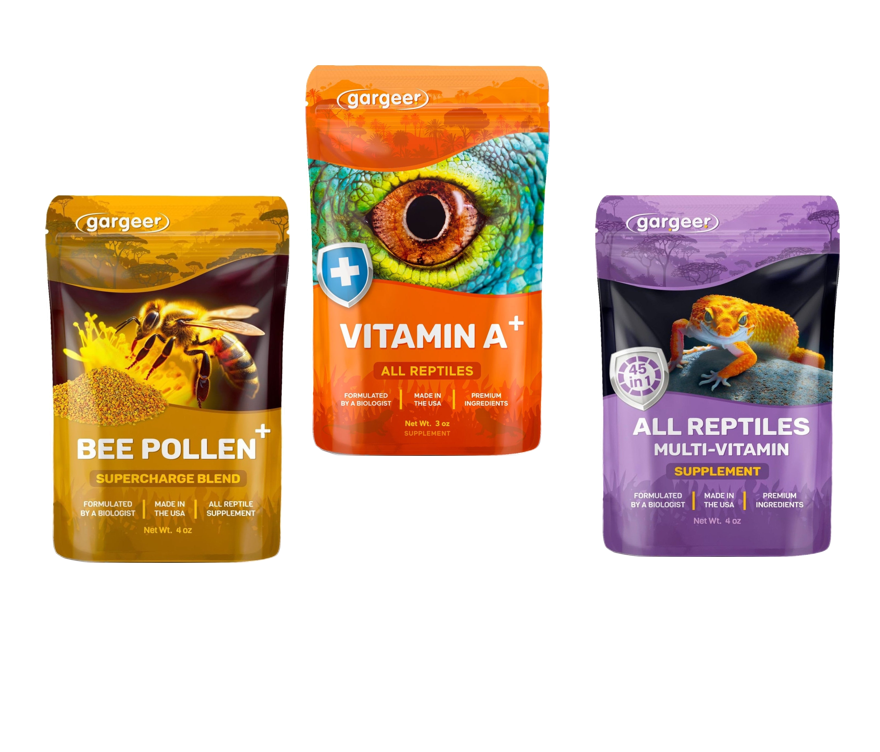
Bee Pollen, Vitamin A & Multivitamin: What Each One Does
Three different roles, one thoughtful routine. Choose the right support for your reptile's species, life stage and existing diet.
014 oz
Make nutrition more inviting
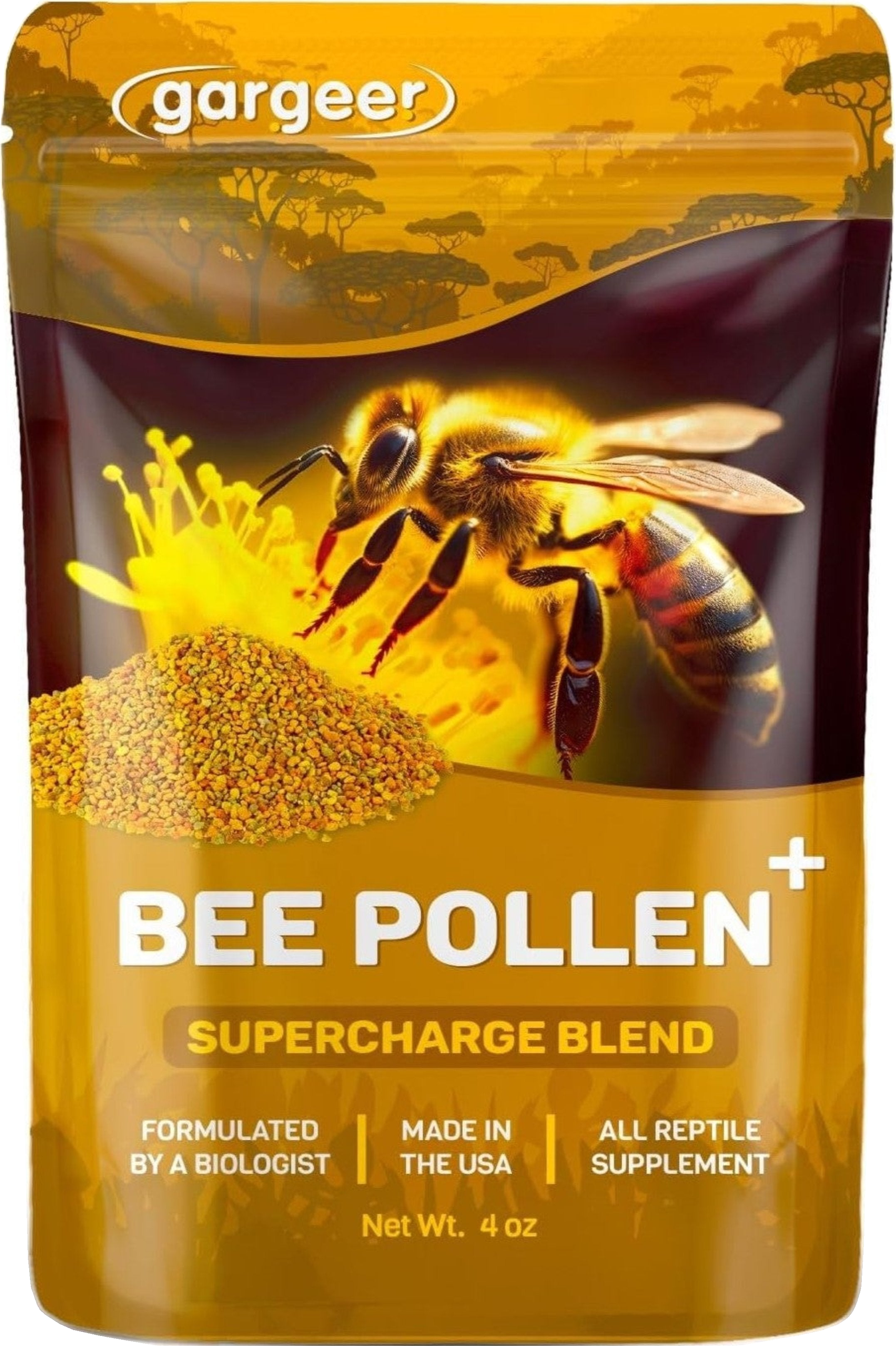
Bee Pollen Supercharge
Bee pollen with organic dried papaya and mulberry adds natural aroma and nutritional variety to the feeding routine. A useful option for keepers looking to make meals more appealing.
Natural aroma to encourage feeding interest
Amino acids and trace minerals for everyday nutrition
Nutrient-rich addition to feeder-insect gut-loading
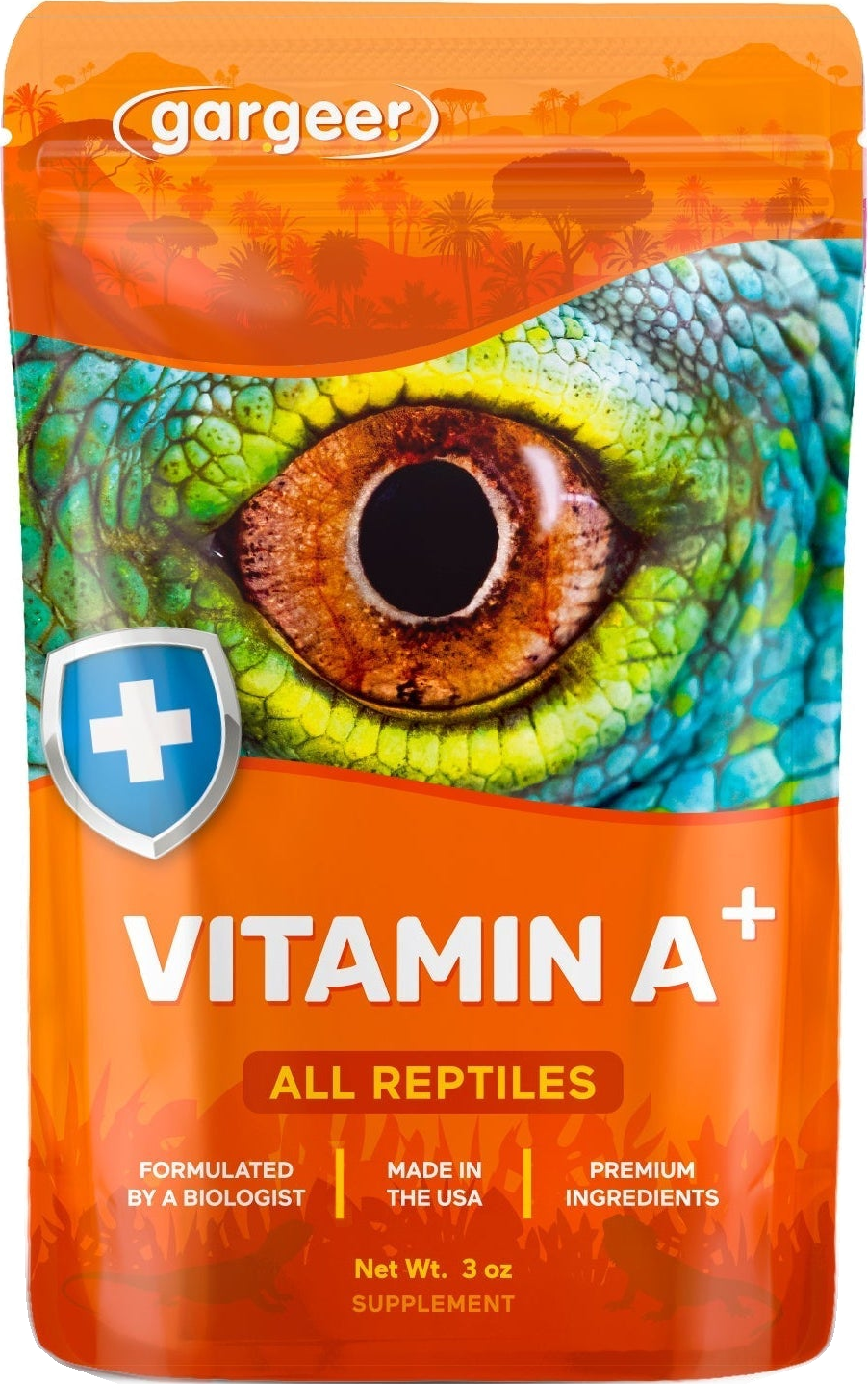
A targeted formula with retinyl palmitate and beta-carotene, plus carrot, spirulina and vitamin E. Vitamin A contributes to normal skin, vision and immune function when supplied at appropriate levels.
Supports normal skin-cell maintenance and shedding
Vitamin A for normal vision
Nutritional support for mucosal barriers and immune function
A broad-spectrum powder with vitamins, minerals and amino acids. Calcium carbonate and vitamin D3 support normal calcium metabolism, while whole ingredients add nutritional variety.
Broad vitamin and mineral support for dietary gaps
Why Buy Bee Pollen, Vitamin A & Multivitamin Together
A wider toolkit. Not just more of the same.
Bee Pollen brings feeding appeal and variety. Vitamin A Plus offers targeted skin and vision support. The Multi-Vitamin covers broader nutritional needs. Keeping all three on hand lets you choose the right tool instead of asking one product to do every job.
Vitamin A Plus and the Multi-Vitamin both contain vitamin A. Do not automatically mix all three or give a full dose of each together. Excess preformed vitamin A can be harmful; calcium and D3 also need to match the animal's diet and husbandry. Follow each product's label and ask a reptile veterinarian about a species-specific schedule, especially with an already fortified or complete diet.
Do you need supplements at all?
Not always. A complete, fortified diet may already cover vitamins and minerals. Supplements matter most for reptiles eating feeder insects or fresh greens, which vary in nutrients.
Supplements support nutrition, not treatment of disease. Persistent appetite loss, abnormal shedding or eye changes need veterinary assessment. Results vary with species, diet, lighting and care.
Reptile Supplement FAQ
Before you add to the bowl: our ingredients, feeding directions and advice for choosing the right support for your reptile. Always check the instructions on your own pouch.
How do I use Bee Pollen Supercharge?
Lightly dust feeder insects in a plastic bag or container, gently shake to coat them, and feed promptly. It can also be sprinkled on salad greens, fruit and vegetables. For these foods, use 1 tablespoon per pound of food. This is a product-specific direction, not a combined dose for the bundle.
No. Our blend combines bee pollen with calcium carbonate, brewer's dried yeast, maltodextrin, organic dried papaya and mulberries, molasses, marigold flower, vitamins, minerals and amino acids. It supports feeding appeal and feeder-insect gut-loading. It is a fortified blend, not pure pollen.
Lightly dust feeder insects in a plastic bag or container, gently shake, and feed promptly. You can also mix it with salads, fruit and vegetables at 1 tablespoon per pound of food. It can be used with every feeding, but this does not mean it should be added to every already-complete diet or combined with other vitamin products. Match supplementation to your reptile's diet with veterinary guidance.
Our Multi-Vitamin combines calcium carbonate, kelp, brewer's yeast, alfalfa, organic carrot, spirulina, bee pollen and marigold, plus vitamins, minerals and amino acids. Its guaranteed analysis includes vitamins A, D and E. Our formula provides broader nutritional support for growth and maintenance; it is not interchangeable with targeted Vitamin A Plus.
Our Vitamin A Plus formula contains calcium carbonate, maltodextrin, carrot powder, spirulina, retinyl palmitate (vitamin A), and d-alpha tocopherol (vitamin E). Retinyl palmitate supplies preformed vitamin A; carrot and spirulina supply natural carotenoids. We formulated it to support normal vision, skin and immune function.
The amount depends on your reptile's diet: herbivores (such as tortoises and iguanas), 0.1 g per 50 g leafy greens; insectivores (such as bearded dragons and leopard geckos), 0.05 g per 10 g feeder insects; omnivores (such as box turtles and blue-tongued skinks), 0.075 g per 30 g mixed food. Use each amount twice per month. For carnivorous omnivores, use only when the diet lacks whole prey. These are our product directions, not a personalized prescription; check your current packaging and ask a reptile veterinarian which category and schedule apply.
Do not combine Vitamin A Plus with other vitamin A supplements. Both our Bee Pollen and Multi-Vitamin contain vitamin A. Buying the bundle does not mean mixing all three or giving full doses together. Ask a reptile veterinarian to plan any use across these products.
We do not recommend Vitamin A Plus for carnivores such as snakes and monitors because whole prey provides sufficient vitamin A. Avoid using it for carnivores, and consult a reptile veterinarian before use in clinically deficient animals. Do not assume that every product in the bundle suits every reptile.
Vitamin A is fat-soluble and can accumulate in the body. Prolonged overuse may cause toxicity, with swelling, lethargy, abnormal shedding, fluid retention or loss of appetite. These signs need veterinary assessment, not an extra supplement dose.
Our supplements include carotenoids and ingredients such as carrot, spirulina and marigold. Appropriate nutrition supports normal skin, shedding and body condition, but these products do not guarantee brighter colors or treat disease. Genetics, lighting, age and husbandry also affect appearance.
Not automatically. Complete or fortified food may already provide vitamins and minerals. Check its nutrient content before adding any of these products, particularly vitamin A and D3. Feeding directions are not a reason to add nutrients an animal already receives.
One 4 oz Bee Pollen Supercharge pouch, one 3 oz Vitamin A Plus pouch and one 4 oz All Reptile Multi-Vitamin pouch. They offer different nutritional options, not a single mixing recipe. The bundle button adds one of each to the store checkout; no special discount is implied.